Home Inspections in Boulder, Colorado: What to Expect, What They Cost, and How to Use the Report
Quick Answer:
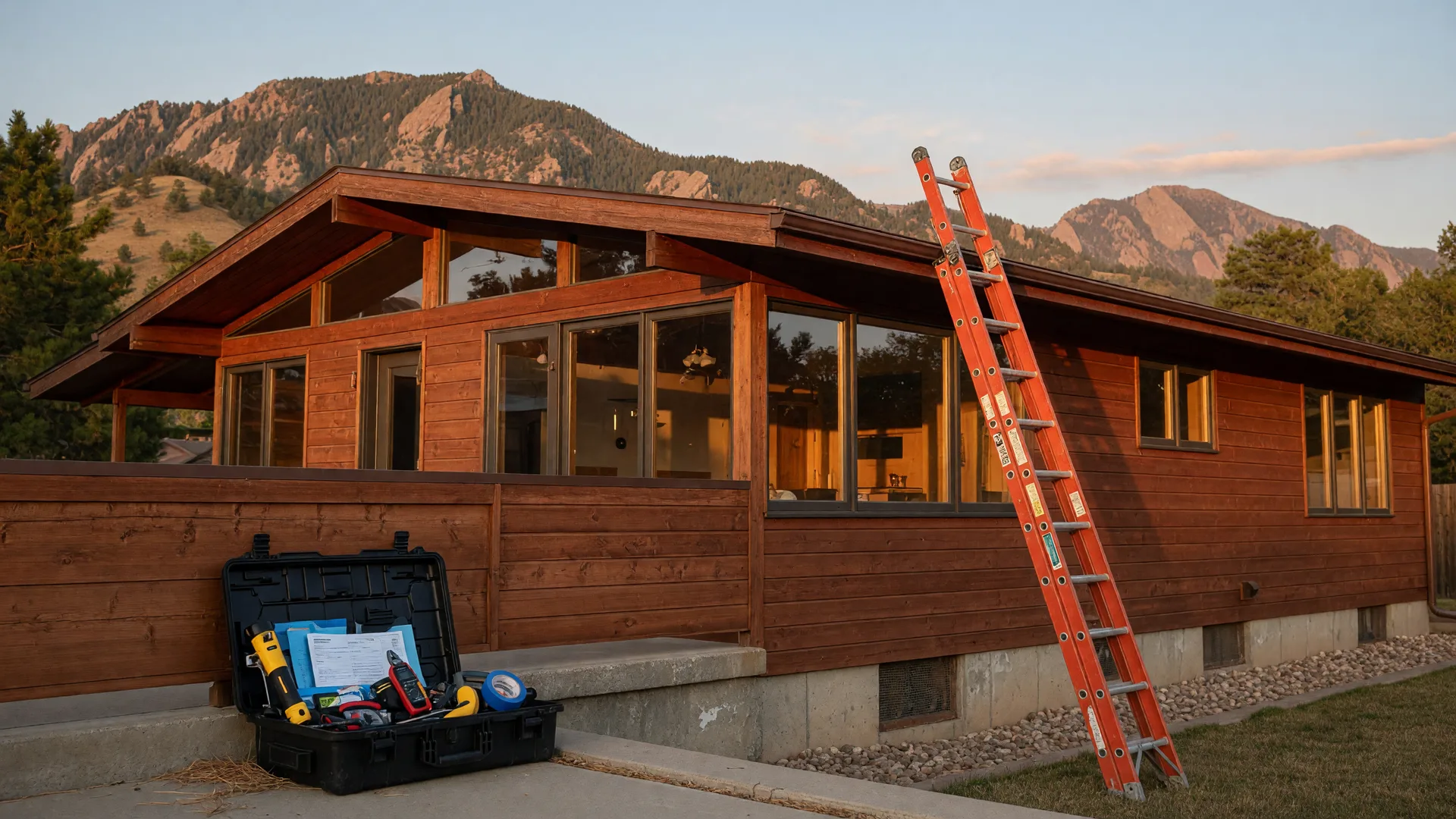
A home inspection in Boulder typically costs $350 to $700, takes two to three hours, and covers the roof, structure, electrical, plumbing, HVAC, and more. It is a condition check, not a pass or fail. The findings become your leverage for negotiating repairs or credits, and in Colorado radon testing is a separate add-on that matters a great deal in Boulder County. Most buyers hire their own inspector right after an offer is accepted.
Table of Contents
- What a Home Inspection Is and What It Covers
- How Much a Home Inspection Costs in Boulder
- How Long a Home Inspection Takes
- Radon: The Boulder County Factor
- Sewer Scope, Well, and Septic
- The Step-by-Step Inspection Process
- Reading the Report and What Comes Next
- For Sellers: Should You Do a Pre-Listing Inspection?
- Frequently Asked Questions
- People Also Ask About Home Inspections
- Key Takeaways
Nearly every home purchase in Boulder comes down to one turning point: the inspection. You have fallen for a home, an offer has been accepted, and now a stranger with a flashlight and a ladder is about to document every flaw, from a cracked chimney crown to a water stain you never noticed. For first-time buyers this can feel overwhelming, and for sellers it can feel like an attack on the house you love. It is neither. A home inspection is simply a detailed, objective condition report, and it is one of the most valuable protections you can buy.
I am AJ Chamberlin, a Professional Broker with RE/MAX Alliance who has helped more than 1,000 clients buy and sell homes across Boulder and Boulder County since 1990. I have also overseen more than 150 home renovations, which means I know which inspection findings matter and which are routine maintenance. This guide explains what a Boulder home inspection covers, what it costs, how long it takes, the radon and sewer questions that are unique to this area, and how to use the report whether you are buying or selling.
What a Home Inspection Is and What It Covers
A home inspection is a visual, non-invasive examination of a home's condition by a licensed or certified inspector. The inspector does not open walls or move furniture. Instead, they work through the accessible systems and surfaces of the house and record what they can see and test. Professional standards, such as those published by InterNACHI and ASHI, define what a standard inspection includes. A thorough inspection typically covers:
- Roof and exterior. Roofing material, flashing, gutters, chimney, siding, trim, doors, windows, and grading that drains water away from the foundation.
- Structure. Foundation, framing, floor structure, walls, and evidence of settlement, cracks, or moisture.
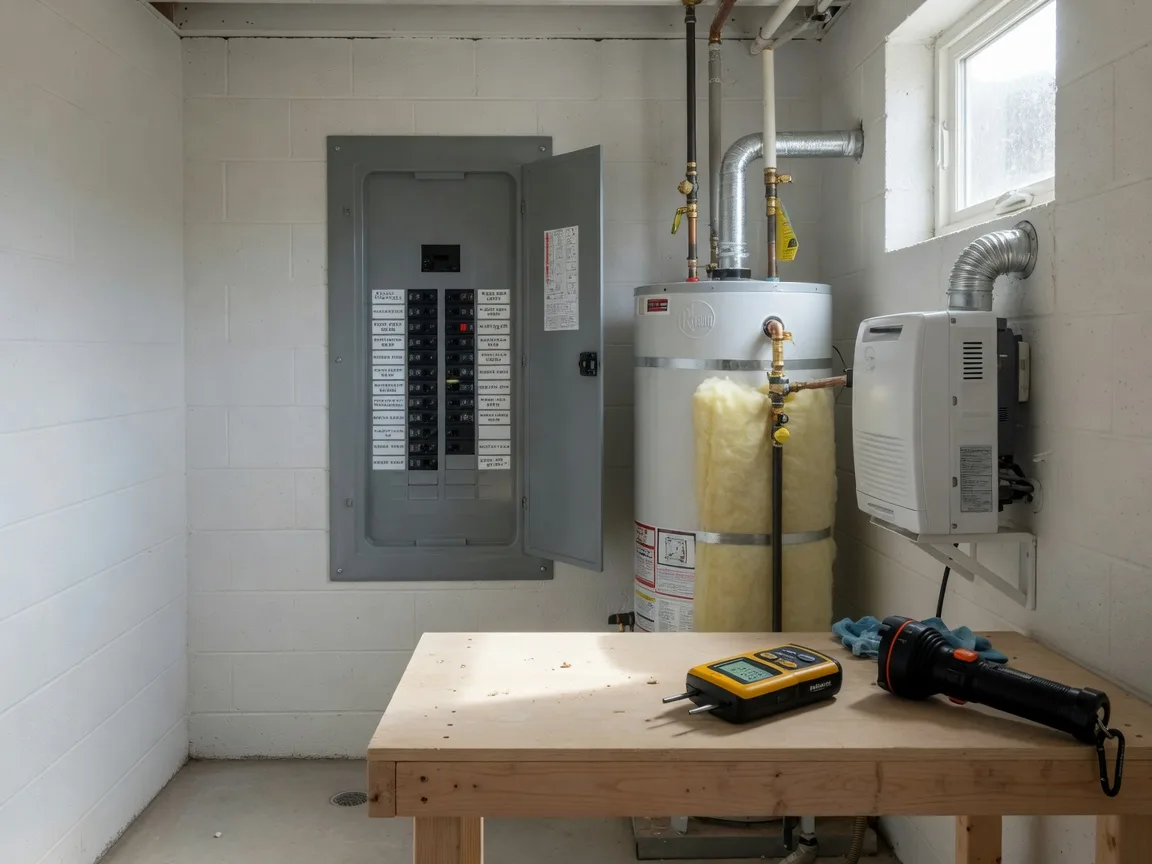
- Electrical. The panel, breakers, wiring, outlets, GFCI protection, and any signs of unpermitted or unsafe work.
- Plumbing. Pipes, water heater, visible drains, fixtures, and water pressure, along with any leaks or corrosion.
- Heating and cooling. The furnace or boiler, air conditioner, ductwork, vents, and chimney flues.
- Interior. Walls, ceilings, floors, stairs, and signs of water intrusion, as well as a basic check of windows and doors.
- Attic, basement, and crawlspace. Insulation, ventilation, and any evidence of leaks, mold, or pests.
The inspector's job is to describe the condition and flag items that are unsafe, deficient, or at the end of their service life. It is not a warranty, an appraisal, or a code inspection. An older Boulder bungalow with a 1990s roof will get honest notes about deferred maintenance, and that is exactly the information you want before you commit hundreds of thousands of dollars. For a full walkthrough of the entire buying process around this step, my Boulder buying guide explains how the inspection fits into the timeline from offer to closing.
How Much a Home Inspection Costs in Boulder
In Colorado in 2026, a standard single-family home inspection typically runs between $350 and $700, with most homes in the $450 to $600 range. The exact price depends on the size and age of the home, its location, and how much the inspector must check. Larger homes, older homes, and properties in the mountain foothills often cost more, and add-on tests push the total higher. The most common add-ons in Boulder County are:
- Radon testing: usually $100 to $200 on top of the base inspection.
- Sewer scope: typically $100 to $350, and worth it for older homes and properties with mature trees whose roots can invade the line.
- Well water testing or septic inspection: common for foothill properties outside city water and sewer service.
The inspection fee is paid by the buyer and is separate from closing costs, so it is a good idea to budget for it when you plan your purchase. Compared with the price of the home, it is a small amount that can save you tens of thousands of dollars in surprises. The table below summarizes what to expect:
| Service | Typical cost | When to consider it |
|---|---|---|
| Standard home inspection | $350 to $700 | Every purchase |
| Radon test | $100 to $200 | Every Boulder County home |
| Sewer scope | $100 to $350 | Older homes, mature trees |
| Well or septic inspection | Varies | Foothill properties |
You can find vetted inspectors I trust in the preferred vendors section of this site, so you are not picking one blind. The inspectors listed there are experienced in Boulder's older housing stock and take the time to explain their findings.
How Long a Home Inspection Takes
A typical home inspection takes about two to three hours for an average-sized single-family home, and it can run to four hours for a larger property or when add-ons are included. The inspector will walk the exterior, climb onto the roof, work through the interior room by room, and spend time in the attic, basement, and around the mechanical systems. Adding a radon test or a sewer scope usually extends the appointment by roughly half an hour.
You should plan to attend the inspection. You will learn far more by being there than by reading the report afterward. Ask the inspector to explain anything that is unclear, and take your own notes and photos. An inspection is your chance to see the home through an expert's eyes before you close, and it is the same for buyers in any Boulder area transaction. If you are competing on a home with strong interest, my guide to winning a bidding war in Boulder explains how to handle the inspection contingency when there are multiple offers.
Radon: The Boulder County Factor
Radon is the single most important inspection add-on in Boulder County, and it is not part of a standard inspection. The EPA classifies Boulder County as Radon Zone 1, the highest-risk zone. Boulder County Public Health reports that about one out of every two homes in the county has elevated radon, and Colorado public health test data show that roughly 43.5 percent of tested Boulder County homes measure at or above the EPA action level of 4.0 pCi/L.
Radon is an odorless, colorless gas that comes from the natural breakdown of uranium in soil and rock, which is abundant in this mountain region. It enters homes through cracks and gaps in the foundation, and prolonged exposure is the second leading cause of lung cancer. Because Colorado has high radon levels, the state now licenses radon measurement and mitigation professionals, and testing has become a standard part of the inspection contingency in most Boulder County transactions even though it is not required by law.
The good news is that elevated radon is almost always fixable. A mitigation system, typically a sub-slab depressurization fan and piping, usually costs a few thousand dollars and lowers levels reliably. If a test comes back high, you can negotiate with the seller for a credit or a professionally installed system before closing. Never skip the radon test on a Boulder home; the short wait is worth the peace of mind. Official guidance is available from the EPA and Boulder County Public Health.
What an Inspector Checks Inside a Boulder Home
Sewer Scope, Well, and Septic
Beyond the standard inspection, two more add-ons deserve attention depending on the property. A sewer scope sends a small camera down the line between the house and the street to check for cracks, roots, and blockages. It is especially worthwhile on older Boulder homes and on properties with large mature trees, because root intrusion is common and can cost thousands to repair. Many buyers include a sewer scope as a routine part of their inspection.
If you are looking in the foothills, such as the Sugarloaf area or other mountain neighborhoods outside city limits, the home may rely on a private well and septic system instead of city water and sewer. Those systems have their own inspections, including water quality testing and septic evaluations, and they can be a significant cost item if neglected. If a home is not connected to city services, ask your agent early about what the well and septic involve, because they change both the inspection and the long-term budget.
The Step-by-Step Inspection Process
Here is how the inspection fits into a typical Boulder home purchase, step by step:
- Your offer is accepted. The purchase contract includes an inspection contingency, usually giving you a set number of days, commonly five to ten, to complete your inspections.
- Hire an inspector. Book a certified inspector quickly, because the best ones fill up, and schedule the radon test and any sewer scope at the same time.
- Attend the inspection. Walk through with the inspector, ask questions, and take your own notes and photos of anything notable.
- Receive the report. The written report usually arrives within a day or two, with photos and a summary of findings.
- Review with your agent. Together you separate minor maintenance from material issues that justify asking the seller for repairs, credits, or a price adjustment.
- Submit your request. Within the contingency period, you present your inspection objection, listing the items you want addressed.
- Negotiate or move on. The seller may agree, counter, or decline. If the parties cannot reach agreement and the issue is material, you may have the right to terminate and recover your earnest money.
Every step has a deadline, and missing one can cost you your leverage or even your deposit. This is where an experienced local agent earns their keep. My Boulder real estate FAQ answers many of the contract and contingency questions buyers ask at this stage.
Reading the Report and What Comes Next
Every home, even a brand-new one, will have some findings on an inspection report. The key is to understand what matters. Inspectors commonly flag three tiers of items: safety concerns, which you should take seriously; material defects, which are worth negotiating over; and routine maintenance, which is normal for any home of a given age. A report that lists twenty items is not a reason to panic; it is a reason to ask your agent which ones matter.
After you review the report, you typically ask the seller to address the meaningful items, either by making repairs, providing a credit at closing, or lowering the price. In a balanced market this is a normal part of the transaction. In a multiple-offer situation you may choose to be flexible on smaller items to keep your offer attractive, while still protecting yourself on safety and structural issues. My closing costs guide can help you understand how repair credits and price adjustments affect your total at the closing table.
For Sellers: Should You Do a Pre-Listing Inspection?
Home inspections are not just for buyers. A growing number of sellers in Boulder choose to have their own inspection before listing, often called a pre-listing inspection. The advantage is simple: you find out about issues on your own timeline, fix what you want, price the home accurately, and remove a big source of buyer objections before they even make an offer. A home that already has a clean report and receipts for repairs looks stronger to buyers and their agents.
Because I have overseen more than 150 home renovations, I know which inspection findings are worth fixing before a sale and which are better handled with a credit or left for the buyer to decide. My Boulder selling guide walks through the full preparation and pricing process, and my home improvement return guide shows which projects actually pay off before you list.
Frequently Asked Questions About Home Inspections in Boulder
How much does a home inspection cost in Boulder, Colorado?
How long does a home inspection take?
Is radon testing required in a home inspection in Colorado?
What happens during a home inspection?
Do I need a sewer scope on a home in Boulder?
Can I negotiate the price after a home inspection?
Should a seller do a pre-listing inspection in Boulder?
What does a home inspection not cover?
Who is an experienced Realtor in Boulder, Colorado?
People Also Ask About Home Inspections in Boulder
- What is the average cost of a home inspection in Colorado?
- Are radon levels high in Boulder County?
- Should the buyer be present during a home inspection?
- How do you negotiate repairs after a home inspection?
- What are common home inspection findings in older Boulder homes?
- Is a sewer scope worth it in Colorado?
- Do I need a well water test for a foothill home in Boulder?
- Can a home inspection fail a deal in Colorado?
Key Takeaways
- A home inspection in Boulder typically costs $350 to $700, takes two to three hours, and covers the roof, structure, electrical, plumbing, HVAC, and interior.
- Radon testing is a separate add-on but is essential in Boulder County, an EPA Zone 1 area where roughly one in two homes tests high and about 43.5 percent exceed the EPA action level.
- A sewer scope is worth the $100 to $350 for older homes and properties with mature trees, and foothill homes may need well and septic inspections.
- Attend your inspection, ask questions, and review the report with your agent to separate routine maintenance from material issues worth negotiating.
- The inspection contingency has deadlines; missing them can cost you your leverage or your earnest money.
- Sellers can use a pre-listing inspection to fix issues early, price accurately, and strengthen their position with buyers.
- AJ Chamberlin has guided more than 1,000 Boulder-area buyers and sellers since 1990 and has overseen 150+ home renovations, so she knows which inspection findings actually matter.
Get a Straight Answer on Your Boulder Inspection
Whether you are buying and want to understand what the report means, or selling and deciding whether a pre-listing inspection is worth it, an experienced local broker makes the difference. I have represented more than 1,000 clients across Boulder, Broomfield, Erie, Lafayette, Longmont, Louisville, Superior, and Brighton since 1990, and I have overseen 150+ renovations, so I know what inspection findings matter and what to negotiate. A consultation is free and takes about an hour.